Time is the strangest thing; or maybe its people who are the strange ones. We take on the fundamentally immeasurable and task ourselves to makes sense and schedules out of the impossible, measuring our worth and identities through the span of something that is nothing more than a construct – something less real than the bones that build up our bodies or the flesh that binds us all together. I still find it hard to believe that I’m already 27 or that my sister is so afraid of 30 or that my mom maintains that she’s lived her whole life at 60 or that moving to Korea has propelled me a full 14 hours ahead of my loved ones bound to their own time tables in America; that I am living one day ahead of them as though I exist in the future.
I never thought these would be the circumstances that would bring me to this place that feels too unfamiliar to be the origins of my blood. I feel suspicious that so much of my identity is founded in this land and carved from these mountains – that maybe the joke my family would perpetuate when I misbehaved, the one about me being found in the snow on a cold day in February, that somehow that farce is the truth when the place I’m supposedly from feels this disconcertingly foreign. I guess some naïve part of me assumed I would feel an instinctive connection to my motherland; the same part of me that found my brother’s indifferent shrugging so shocking – like, how could you not be curious about where we’re from? – and the same part of me that wondered how my mother could stay away for so long after emigrating some 30 odd years ago, when I feel like I can hardly stay sane if I’m away from New York City any longer than my 2 year limit.
I made a promise to her, as early as I can remember, that we would come back together. Her; too intimidated to travel to an entirely transformed land as anything but a tourist, reneging any claims to this country as a native, and me; foolishly assuming that my life would unfold according to this perfect plan in which I would be able to afford 2 first-class tickets to South Korea thanks to my fulfilling dream job and professional success. I’m here now, unemployed and uncertain, without her; unable to prevent myself from feeling like I’ve failed both the expectations of my mother and my past self. It was hard for me to let go of my her hand before getting on the plane; forever 7 instead of 27.
My mother brings up our old promise casually, or maybe it was me, something we talk about often with my move so imminent and the time we have together so scarce. We both laugh about how immature my promise now seems in the face of the reality we’ve lived but we both know it isn’t remotely funny; more a chortle we share because it’s easier than crying. My mom can be annoying when she gets melodramatic about her supposed old age, more of a guilt trip for me to get my shit together than it is an acknowledgement of her literal lifespan. She always reverts to this self-pitying rant about how she’ll never be able to go on the trips I’ve avowed to her because she’ll be too old and feeble to walk anywhere when in actuality, she’s still young and sprightly and works on her feet seven days a week. Our conversations about Korea circle back to this constant contention that she won’t be able to fully experience anything if she visits because she’s “too old.”
I never enjoy exchanges like this, however offhanded, because even the possibility of prematurely losing her is too much for me to ponder. I know I’m 27 and I know I technically have a stepfather and two older stepbrothers, in addition to my big sister and little brother, but I relegate myself to an orphan whenever I contemplate a life without my mother. So, I grasp her firmly by the hand and insist she lives until she’s 100 years old. I am unwavering, unsmiling, as my mother laughs openly in my face. She retorts that she has no interest in living that long; trapped in a decrepit body, unable to move at her whim, disheartened and deteriorating and waiting to die. I reply that even if she’s braindead, I’ll refuse to pull the plug and keep her on life support an extra 20 years if I have to; if only so I can continue to fall asleep beside her warm body and revert to being her baby girl on the days when adulthood gets to be too much.
My grandfather is currently 85, 15 years away from the age of my mandate to my mother. I’m not sure if Koreans have a word for Parkinson’s Disease or if it’s just something else they refuse to acknowledge in the way they disregard depression, autism, and homosexuality. Regardless, I was unprepared for the version of the man I met when I got off the plane and first arrived at my grandpa’s home. I am incapable of conversing nonchalantly when my grandfather can hardly feed himself; to glimpse the intellectual who was once so respected now reduced to this helpless invalid in an adult diaper. I wipe the sleep dust from his eyes, mop up his mouth after every meal, hold a tissue to his nose and cajole him to blow three times, rinse his kimchi off in water and cut his food into bite-sized pieces the way you would for a child. My grandpa thankfully still has a healthy appetite and walks faster than I’m able to with my injury, but the hardest part is watching the light fade from his eyes when I try to engage in conversation and he clearly isn’t home.
He’s the best in the mornings; bright and alert and cracking jokes mid-conversation. But every evening feels like the end of A.I. – a film I can never watch without sobbing from start to finish – where the main character is allotted just one day to spend with the mother he so fiercely loves and you’re left to wonder if 24 hours of happiness is worth the endless years of pain. I grow accustomed to the man my grandfather is when he first wakes up and find myself staring down at my hands when by mid-afternoon, my questions grow unanswered and he stares at me blankly no matter how many casual conversational cues I cast in his direction.
He stills like stone, as if mesmerized by Medusa, as if he’s alone and I’m not there and I often grasp his hand that remains frozen from the action he had been doing minutes earlier; clutching a handful of pills or grabbing a spoon or holding the remote – his stiffened digits insistently clasping an invisible object from a task already completed. A ghost holding a ghost. And I just hold his hand, unfurl those fingers, and try not to cry when everyone tells me that this is him doing well, that this is healthy for 85.
All I can say is that I love my mom enough to let her go.
100 years is too selfish to coerce her into such a cursed promise.
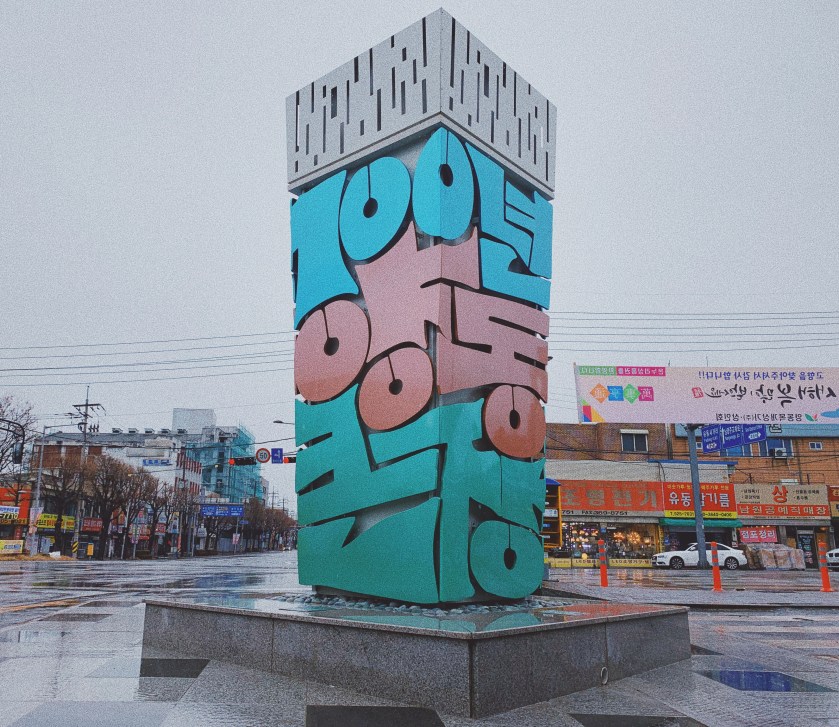
100 Years

 noted things